Custom Optical Lens Manufacturing: From Design to Mass Production
Custom Optical Lens Manufacturing: From Design to Mass Production
Introduction
Every lighting application has different optical requirements. Some projects need a narrow beam with a longer throw distance, while others require wide-angle illumination, uniform light distribution, or reduced glare.
When a standard lens cannot meet these requirements, a custom optical lens may be the right solution.
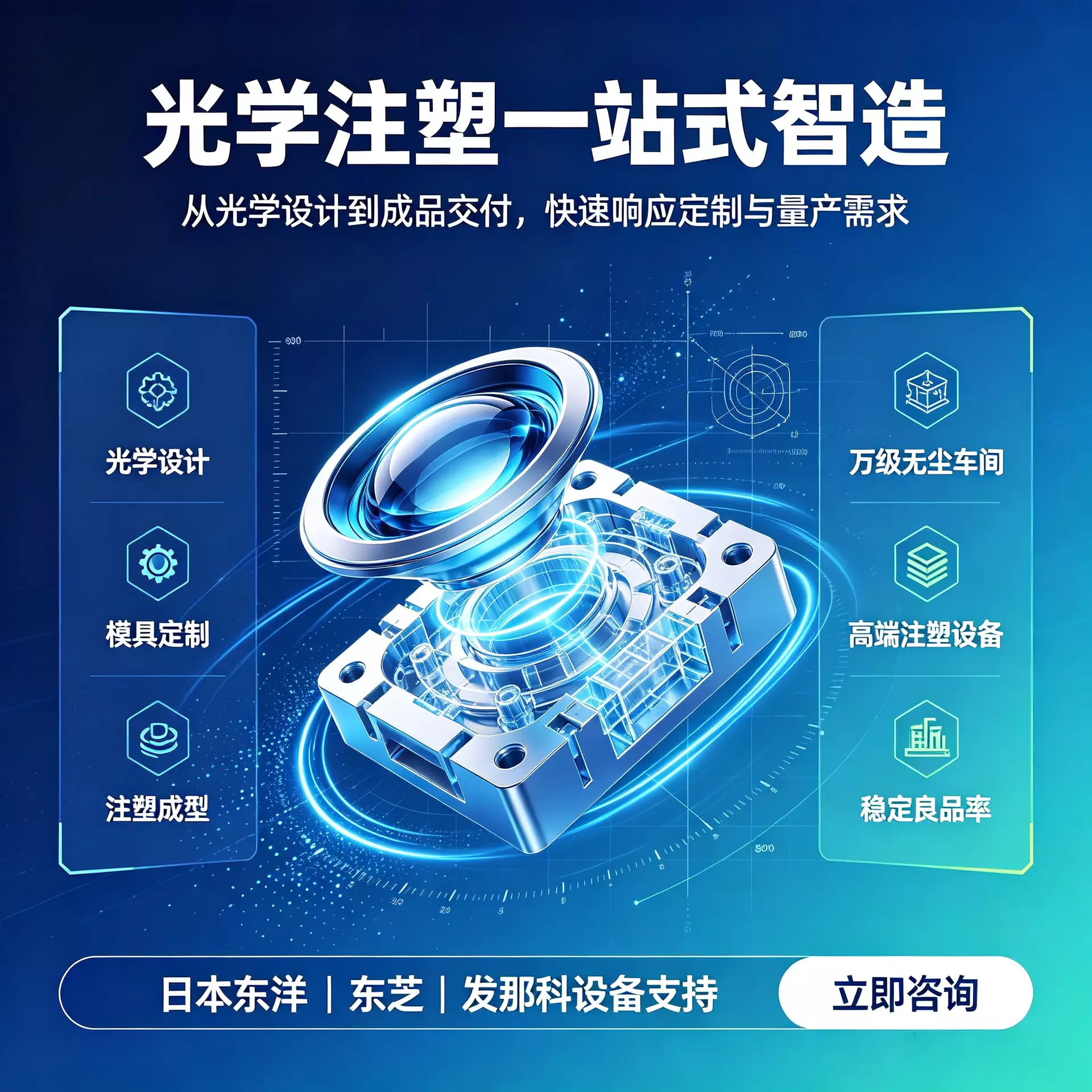
Runlian Optics is an optical lens manufacturer specializing in optical design, precision mold manufacturing, and injection molding. We support lighting manufacturers and OEM customers looking for customized optical components, from initial design discussions to sample validation and mass production.
1. When Do You Need a Custom Optical Lens?
A custom lens may be necessary when an existing product cannot meet the optical or mechanical requirements of your application.
Common development requirements include:
- Achieving a specific beam angle or light distribution.
- Improving illumination uniformity and reducing unwanted hotspots.
- Increasing beam intensity in a target direction.
- Matching a particular LED package and PCB layout.
- Fitting a limited installation space or special fixture structure.
- Developing a proprietary optical component for a new product.
Custom lenses can be used in indoor lighting, outdoor lighting, landscape lighting, floodlights, panel lights, flashlights, automotive lighting, and other specialized applications.
Before starting a new development project, it is worth checking whether an existing lens can meet your requirements. This can help reduce development time and tooling costs.
2. Step One: Understand the Application and Requirements
Successful optical development begins with clear technical information.
Our engineering team needs to understand how the lens will be used and what performance the customer expects.
Useful project information includes:
- LED manufacturer and part number.
- LED datasheet and emitting-area dimensions.
- PCB layout and lens mounting dimensions.
- Target beam angle and light distribution.
- Fixture drawings or photographs.
- Available installation space and lens height.
- Preferred material, such as PC or PMMA.
- Required sample quantity and estimated production volume.
If you already have a lens sample, drawing, or existing lighting fixture, these can also provide a useful starting point.
The more complete the initial information, the easier it is to evaluate feasibility and recommend an appropriate solution.
3. Step Two: Optical Design and Evaluation
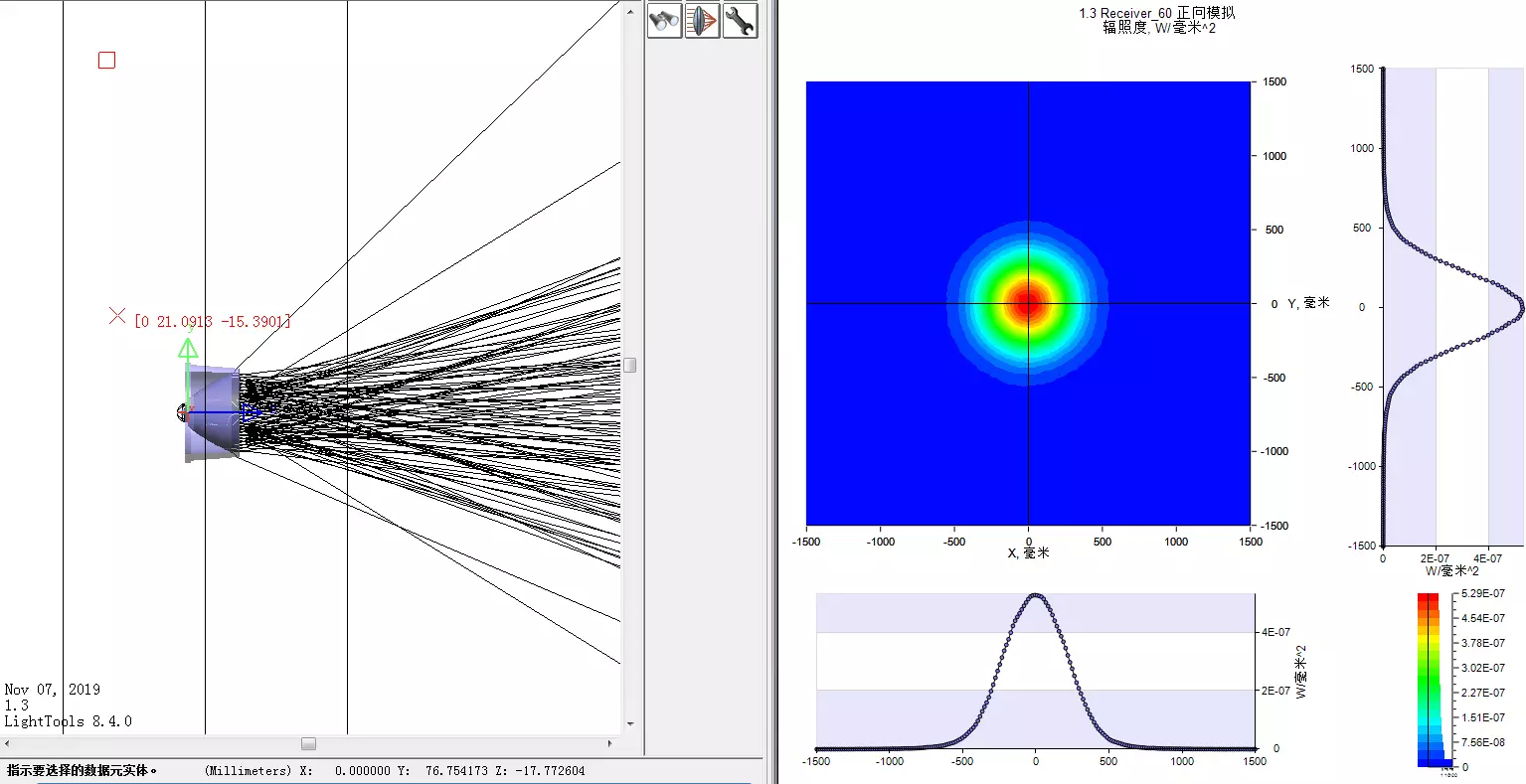
Optical design determines how light travels through and interacts with the lens.
Depending on the application, the design may focus on beam shaping, light distribution, illumination uniformity, glare control, or a specific illumination distance.
The LED source and lens must be considered together. A lens designed for one LED package may not produce the same result when paired with a different light-emitting area or mounting height.
For this reason, optical development should consider the LED, lens geometry, fixture structure, and intended application as one system.
Where appropriate, optical simulation can be used to evaluate the proposed design before tooling begins. Physical testing is then needed to verify the result in the actual assembly.
4. Step Three: Precision Optical Mold Manufacturing
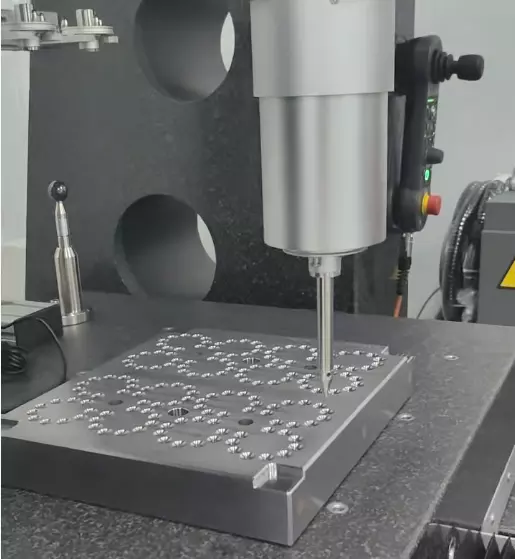
After the optical design and product structure are confirmed, the next step is mold development.
Optical lens molds require careful control of the cavity geometry and optical surface finish. Mold design must also account for material behavior, shrinkage, cooling, ejection, and production stability.
The mold-making process may include:
- Mold structure design and engineering review.
- Mold material preparation.
- Precision machining and EDM where required.
- Optical surface finishing and polishing.
- Mold assembly and inspection.
- Trial molding and necessary adjustments.
The quality of the mold directly influences the consistency of the molded lens. A suitable mold design also helps improve production efficiency and reduce the risk of defects.
5. Step Four: Material Selection and Injection Molding
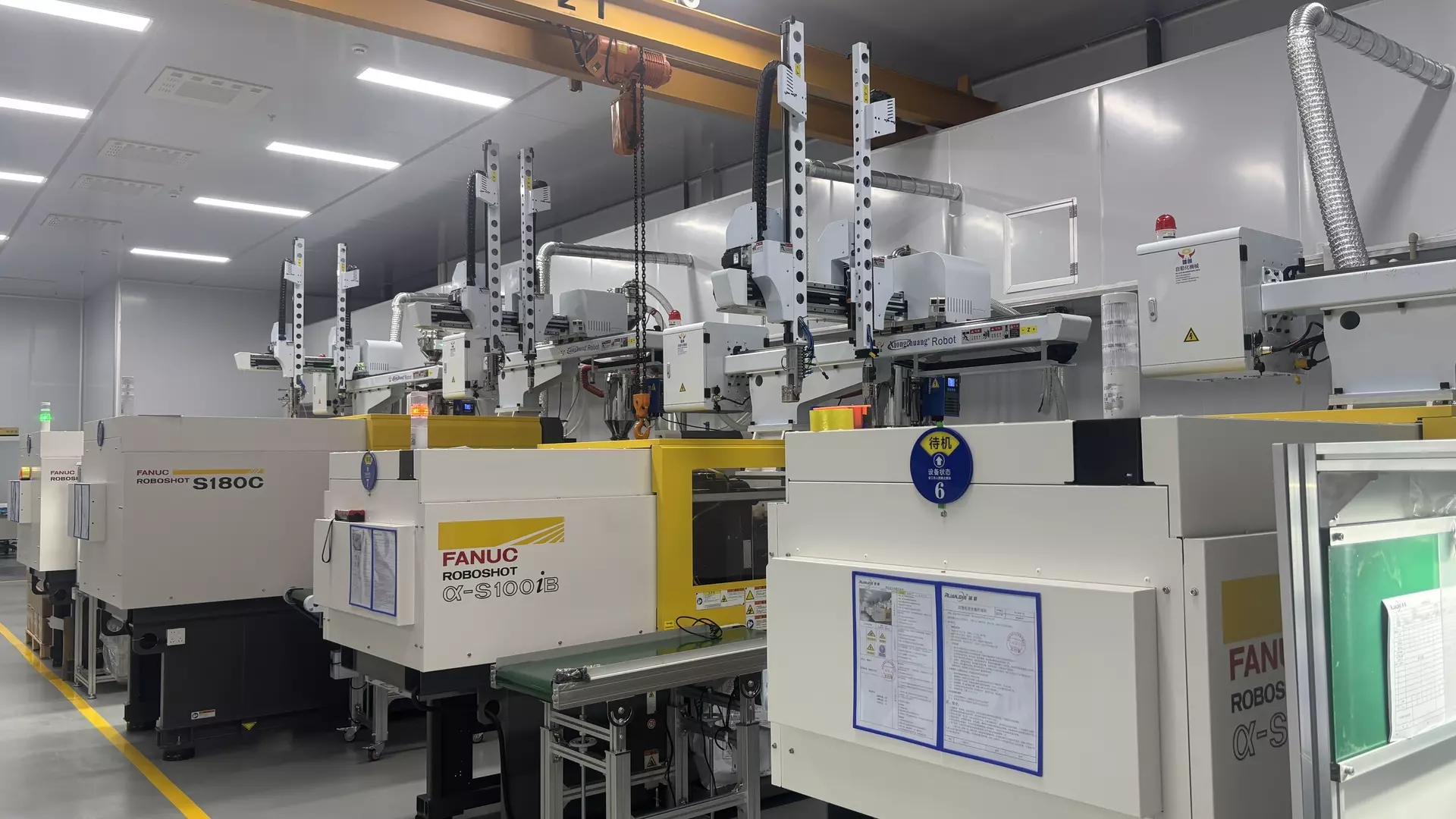
Material selection depends on the optical, mechanical, thermal, and environmental requirements of the application.
Polycarbonate (PC) is often considered when impact resistance, toughness, and heat resistance are important.
Polymethyl methacrylate (PMMA) is often considered for applications requiring high transparency and good optical clarity.
The final choice depends on the specific material grade, operating conditions, product geometry, and performance requirements.
During injection molding, factors such as melt temperature, mold temperature, injection speed, pressure, cooling, and material handling can affect the finished product.
Consistent process control is essential for maintaining dimensions, surface appearance, and optical performance across production batches.
6. Step Five: Sample Testing and Approval
Before mass production, prototype or trial-mold samples should be evaluated against the agreed requirements.
Depending on the project, verification may include:
- Dimensional inspection.
- Assembly and mounting checks.
- Surface appearance inspection.
- Beam angle and light distribution testing.
- Illumination uniformity evaluation.
- Performance testing in the customer's actual fixture.
Testing a lens separately can provide useful information, but the final result may change when the lens is installed with the LED, PCB, housing, and other optical components.
Customer approval should therefore be based on the agreed evaluation criteria and, where practical, the complete lighting assembly.
7. Step Six: Mass Production and Quality Control
Once samples are approved, the project can move to mass production.
A reliable production process should maintain consistent material specifications, molding conditions, inspection standards, and packaging requirements.
Clear communication between the customer and manufacturer is also important when specifications change or a new production batch is planned.
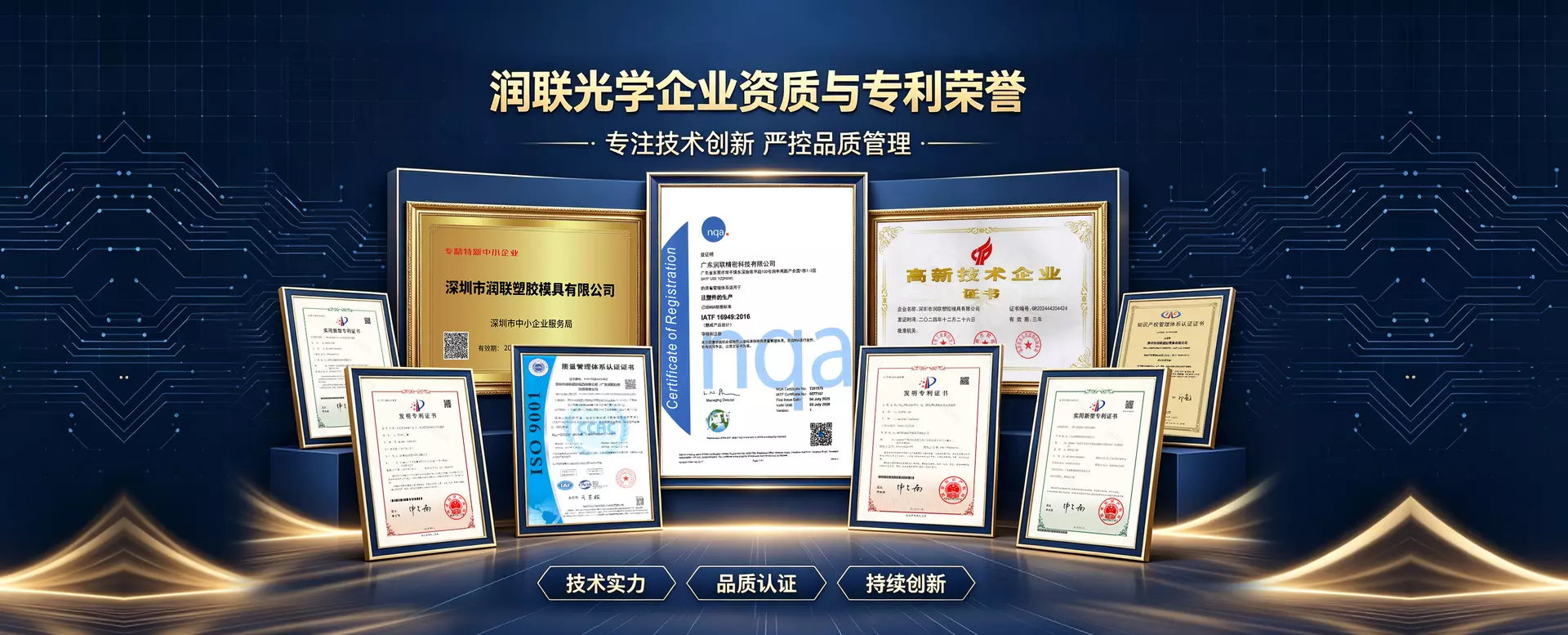
At Runlian Optics, our manufacturing approach connects optical design, mold development, injection molding, and product verification to help customers manage their projects through one coordinated workflow.
Why Work with Runlian Optics?
Runlian Optics provides optical lens manufacturing services for customers who need standard products or application-specific solutions.
Our capabilities include:
- Optical design and customized lens development.
- Precision optical mold design and manufacturing.
- Plastic injection molding.
- Sample evaluation and optical testing.
- OEM/ODM manufacturing support.
- Production support for lighting and specialized optical applications.
We focus on understanding the customer's application before recommending a product or development route.
Whether you are developing a new lighting fixture or improving an existing product, our team can discuss the technical requirements and help identify a suitable manufacturing solution.
Start Your Custom Optical Lens Project
Looking for a manufacturer for your next optical lens project?
Send us your LED datasheet, product drawings, lens sample, or application requirements. Our team can review the available information and discuss the next steps for optical design, tooling, sampling, and production.
Contact Runlian Optics to discuss your custom optical lens requirements.
Previous: Runlian Optics Participates in CIOE 2026, Showcasing Customized Optical Lens Solutions
Next: No More
