Precision Optical Mold Making for LED Lenses
How Precision Mold Making Affects LED Lens Performance
An LED lens is more than a plastic component. Its optical surfaces are designed to control the direction and distribution of light. Even small variations in lens geometry or surface quality can affect the final optical result.
For this reason, precision mold manufacturing is an important part of developing reliable optical lenses.
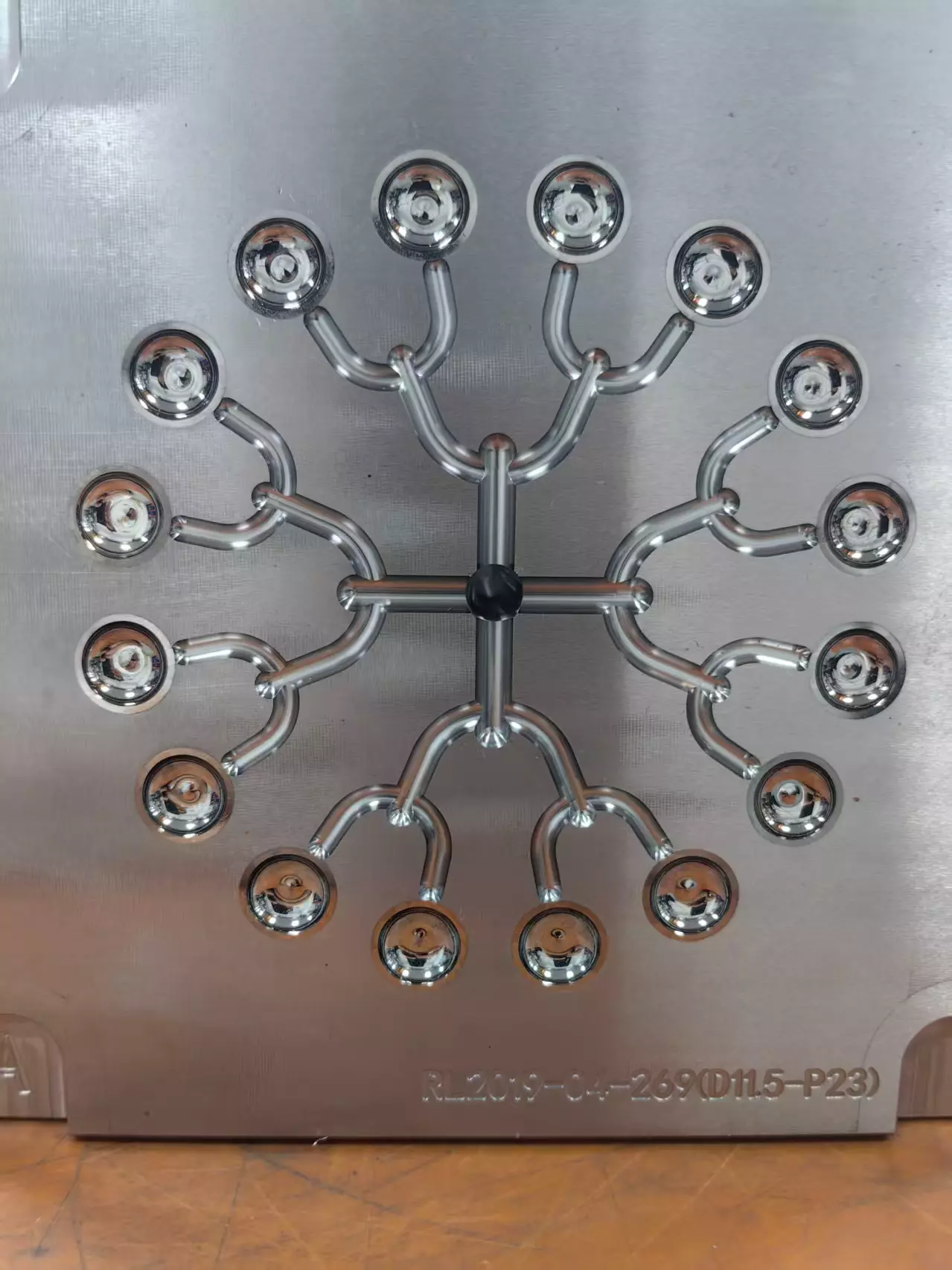
1. Optical Surface Geometry
The optical surface determines how light is refracted, reflected, or internally redirected.
Depending on the design, a lens may include curved surfaces, aspheric profiles, Fresnel structures, TIR features, or fine optical textures.
The mold must reproduce these features accurately. Deviations from the intended geometry can change the beam pattern and make the resulting light distribution less predictable.
2. Surface Finish and Optical Quality
The quality of the mold surface affects the surface quality of the molded lens.
Machining marks, polishing defects, contamination, and mold damage may be transferred to the molded component. Depending on the location and severity, these defects can affect appearance, light transmission, scattering, or beam consistency.
Optical mold manufacturing therefore requires appropriate machining methods, finishing processes, cleanliness, and inspection procedures.
3. Dimensional Accuracy and Assembly
An optical lens must fit correctly within its lighting assembly.
Mounting features, alignment surfaces, locating pins, and component interfaces all contribute to assembly performance. Poor dimensional consistency may cause fitting problems or change the position of the lens relative to the LED.
Precision inspection helps verify critical dimensions and identify deviations before production quantities increase.
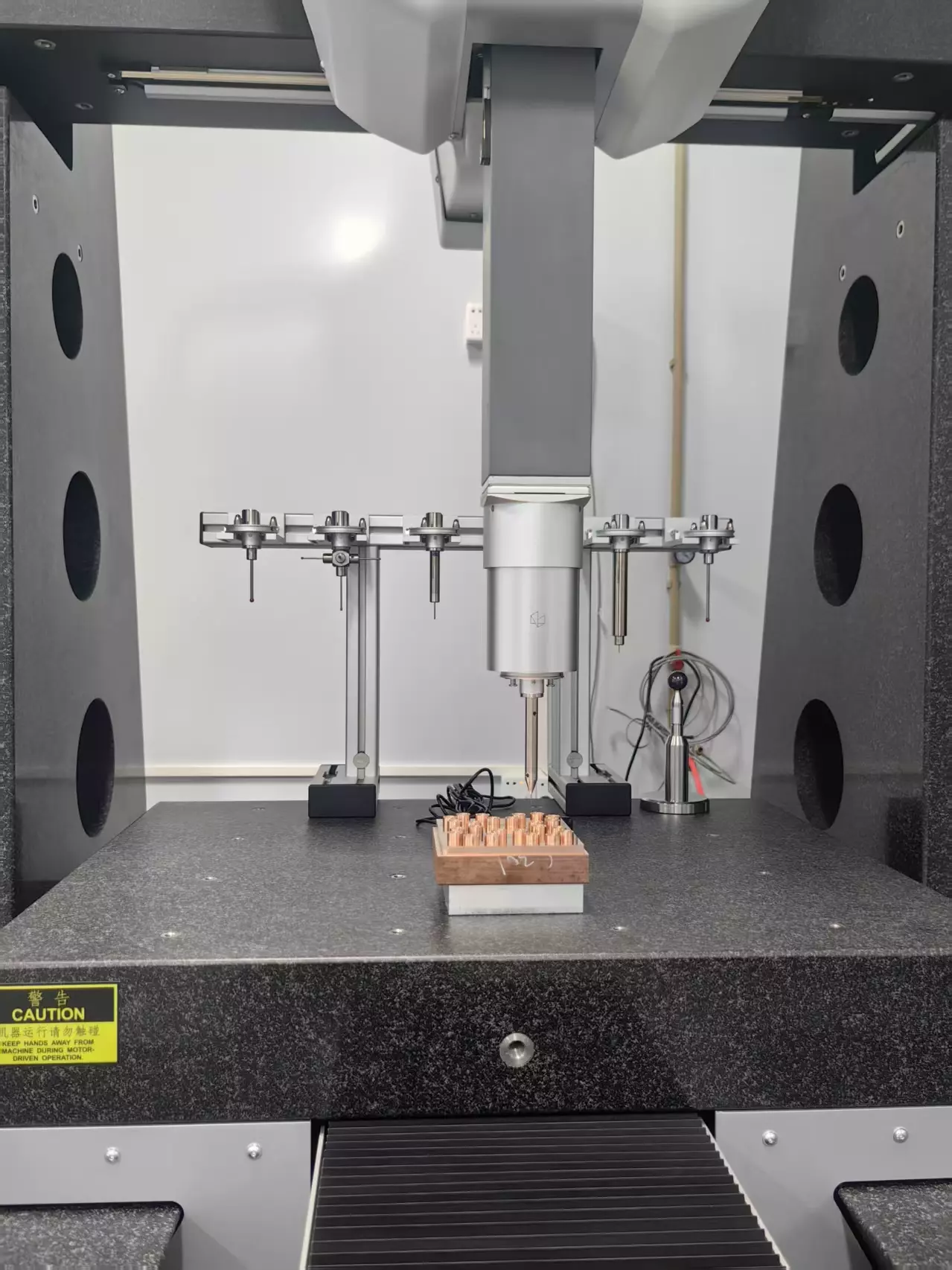
4. Mold Design for Stable Production
A successful optical mold must do more than reproduce the correct shape once. It must also support consistent production.
Important design considerations include:
-
Gate location and melt flow
-
Venting and air evacuation
-
Cooling channel design
-
Material shrinkage and warpage
-
Ejection and demolding
-
Mold maintenance and service life
These factors influence cycle stability, cosmetic quality, dimensional repeatability, and manufacturing cost.
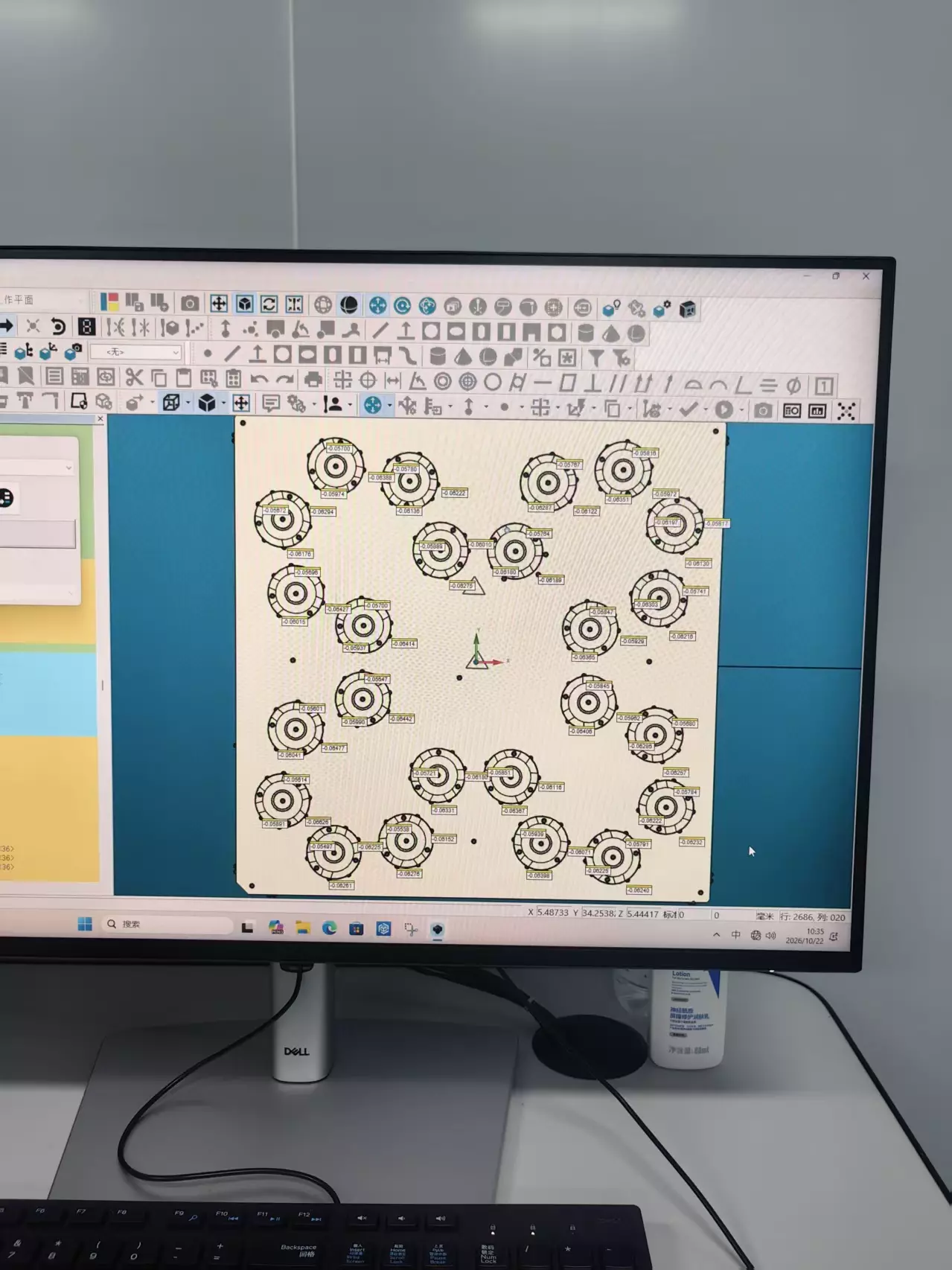
5. Mold Inspection and Trial Molding
Before mass production, the mold should be inspected and tested under appropriate process conditions.
Coordinate measuring machines and other dimensional inspection equipment can help verify mold features. Trial molding then allows the team to assess the molded parts, including dimensions, surface appearance, and optical performance.
The final validation criteria should be agreed upon with the customer and should reflect the actual application.
Precision Mold Manufacturing at Runlian Optics
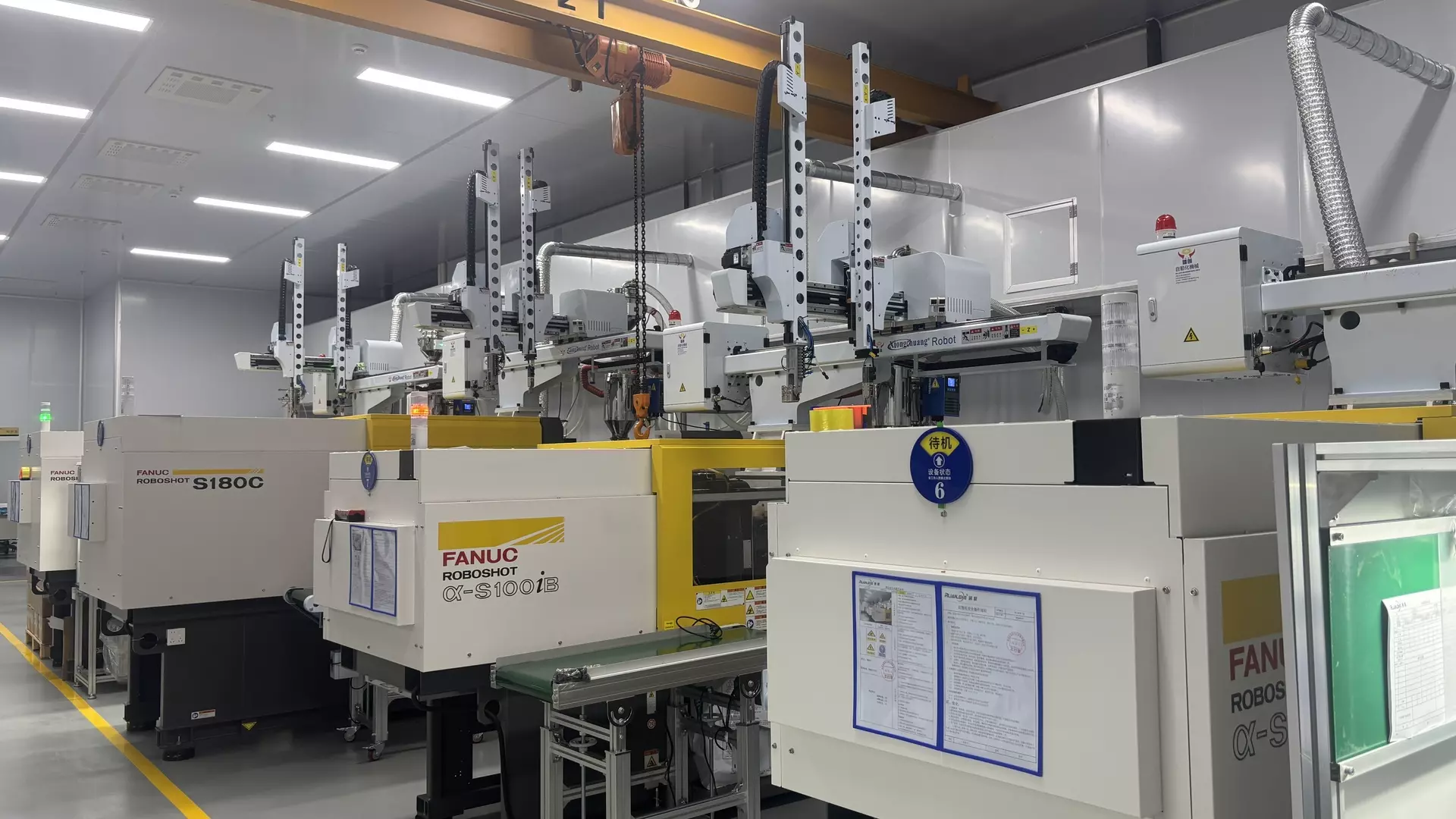
Runlian Optics integrates precision mold manufacturing with optical lens development and plastic injection molding. This integrated approach helps connect the optical design requirements with the tooling and production processes needed to manufacture the lens.
For customized LED optics, early communication between optical designers, mold engineers, and production teams is important for reducing development risks.
Need a custom LED lens or optical mold? Share your drawings, target beam angle, material requirements, or reference samples with Runlian Optics to discuss your project.
Previous: Custom Optical Lens Manufacturing: From Design to Mass Production
Next: No More
